Modern Wall Art Guides, Starting with Wooden Maps & LED Designs
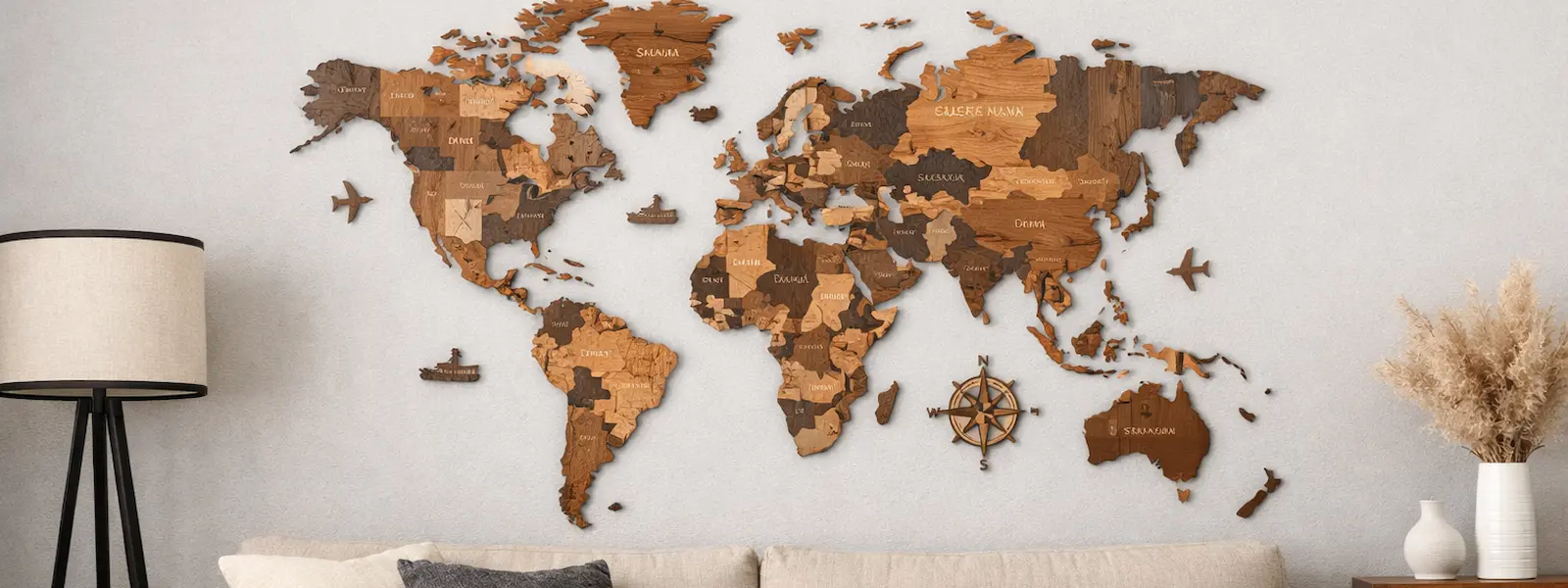
Choosing wall art shouldn’t feel like a gamble. Something can look great in photos, yet once it’s on the wall it feels flat, oversized, or just not quite right. This site exists to help you avoid that problem.
Right now, the focus here is on wooden wall maps and LED-lit designs—wall art that adds texture, depth, and warmth instead of simply filling space. As the site grows, we’ll also explore other modern wall art styles using the same practical, real-world approach.
Everything you’ll find here is written to help you make confident decisions, without hype or pressure.
Essential Guides to Wooden Wall Maps and LED Wall Art
Choosing wall art can feel overwhelming, especially when you want something that looks good and still feels right a year from now. That’s where this site comes in. Instead of throwing ideas at you and hoping something sticks, these guides focus on helping you understand what works, why it works, and where it works best in a real home.
Wooden wall maps and LED wall art aren’t just decoration. They change how a room feels. A wooden map adds depth, texture, and warmth that flat prints simply can’t match. LED wall art, on the other hand, brings atmosphere and subtle lighting into spaces that often feel unfinished or dull. Used properly, both can anchor a room rather than just fill empty wall space.
These guides are written for people who want to make confident choices, not rushed ones. We break things down into plain language—size, placement, materials, lighting, and long-term fit—so you’re not guessing based on staged photos or marketing copy. If something commonly goes wrong, we call it out. If there’s a decision that trips people up, we slow it down and explain it clearly.
You won’t find trend chasing here. The focus is on practical decisions that hold up over time, whether you’re decorating a living room, hallway, home office, or feature wall. Think of this section as your starting point—a place to get your bearings before drilling holes or committing to something that’s hard to undo.
As the site grows, these guides will connect naturally to deeper breakdowns and individual product analyses. But even on their own, they’re designed to give you a solid foundation, so whatever you choose next actually fits your space and your style.
Ultimately, this site exists to reduce guesswork. The goal isn’t to tell you what to buy, but to help you understand enough that the choice you make feels deliberate and well thought out—both now and in the years ahead.
What Makes Wooden Wall Maps a Stand-Out Choice for Modern Wall Art
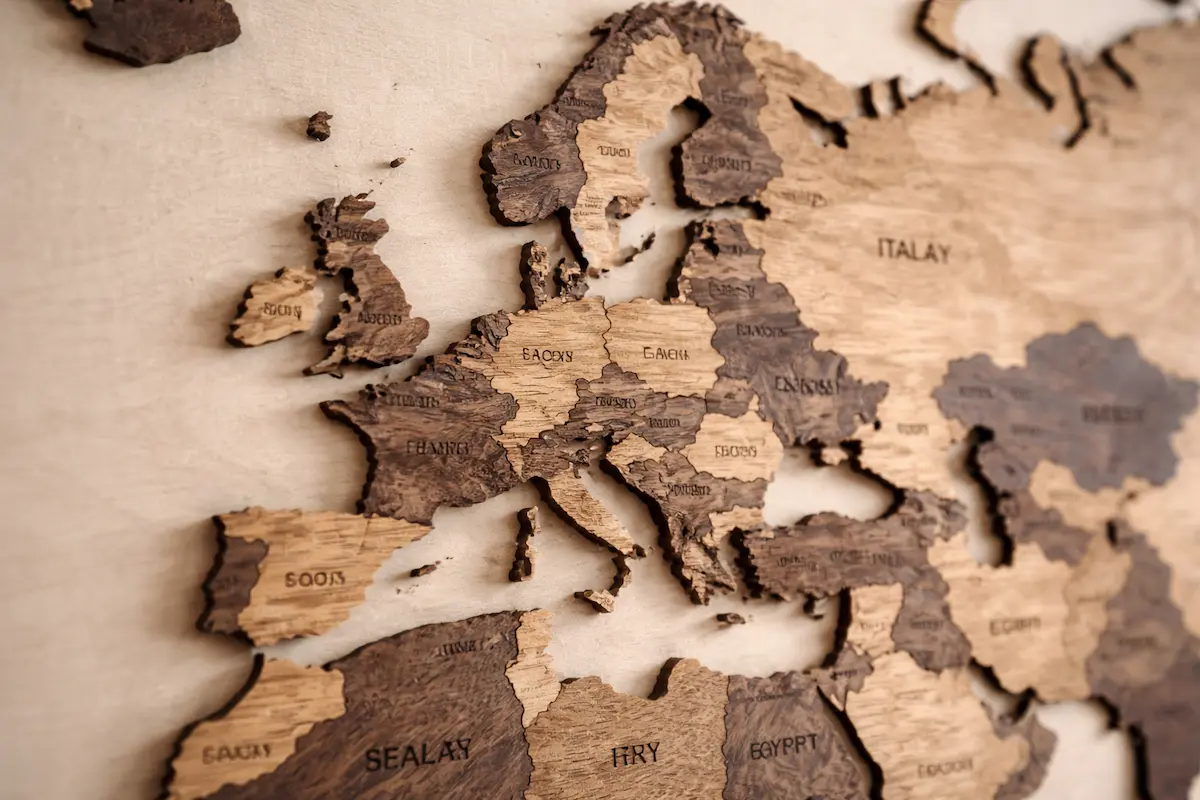
If you’re new to wooden wall maps, this is a good place to start. Wooden wall maps stand out because they do more than fill space. They add depth, texture, and presence, which is something flat wall art often struggles to do. Even in modern homes with clean lines and neutral colours, wood introduces warmth without making the room feel heavy or dated.
One of the biggest differences is how a wooden map interacts with light. Shadows fall naturally across raised layers, giving the piece a sense of movement throughout the day. That subtle change makes the wall feel more alive, especially compared to printed art that looks the same no matter the lighting.
There’s also a strong balance between design and meaning. A world map isn’t just decorative; it invites curiosity. Some people use it to mark places they’ve been, others simply like the structure and geometry it brings to a wall. Either way, it tends to become a talking point rather than background décor.
From a practical standpoint, wooden wall maps fit well with modern interiors because they’re visually structured. The outlines, layers, and materials work nicely alongside contemporary furniture, metal accents, and minimalist layouts. At the same time, they don’t clash with softer elements like plants, textiles, or warm lighting.
Another reason they work so well is longevity. Trends in wall art come and go, but wood ages gracefully. A well-made wooden map doesn’t feel tired after a few years, which makes it a safer long-term choice if you’re investing time and effort into installation.
All of this is why wooden wall maps often work best as feature pieces. Instead of competing with other artwork, they give a room a focal point that feels intentional and considered rather than decorative for decoration’s sake.
How to Choose the Right Size 3D Wooden Map for Your Wall
Size is the most common place people get this wrong. A wooden wall map that’s too small can feel lost, while one that’s too large can overwhelm the room. The key is to think about the wall as a whole, not just the map itself.
Start by measuring the available wall space and then mentally framing the map so there’s breathing room around it. As a general rule, the map should fill the space without touching nearby furniture, door frames, or ceiling lines. Leaving consistent margins on all sides makes the piece feel intentional rather than squeezed in.
Room function also matters. In a living room or main feature area, larger maps tend to work better because they’re meant to be seen from a distance. In a hallway, office, or smaller room, a more compact map often feels more balanced and easier to live with day to day.
Another thing people overlook is viewing distance. If you’ll usually see the map from across the room, fine details won’t matter as much as overall shape and presence. If it’s closer—like above a desk or console—scale and readability become more important, especially with layered or 3D designs.
It’s also worth considering how the map interacts with other elements on the wall. Light fixtures, shelves, or nearby artwork can either complement the map or compete with it. When in doubt, simpler surrounding walls usually let a wooden map do its job best.
Choosing the right size isn’t about finding a perfect measurement—it’s about balance. When the proportions feel right, the map naturally becomes part of the room instead of something that feels added on afterward.
3D Wooden World Maps vs Traditional Canvas Wall Art
The biggest difference between a 3D wooden world map and traditional canvas wall art is dimension. Canvas prints are flat by nature. They rely on colour and imagery to make an impact, but they don’t physically interact with the space around them. Wooden maps do the opposite—they introduce real depth, which changes how the wall feels throughout the day.
With a wooden map, light and shadow play a role. Raised layers create contrast as lighting changes, which gives the piece a sense of movement. Canvas art looks the same in the morning as it does at night. Neither approach is wrong, but the effect is noticeably different once the artwork is on the wall.
There’s also a difference in how each type of art anchors a room. Canvas prints often work best as part of a group—gallery walls, paired pieces, or themed collections. A 3D wooden world map, on the other hand, is usually strong enough to stand alone. It becomes a focal point rather than part of a set.
Durability is another factor worth considering. Canvas can fade over time, especially in brighter rooms, and it’s more vulnerable to knocks or moisture. Wood tends to age more gracefully, developing character rather than looking worn, which makes it a better long-term choice for high-traffic areas.
From a style perspective, canvas offers almost unlimited imagery, while wooden maps are more structured and intentional. That structure is often what appeals to people decorating modern or minimalist spaces, where fewer pieces are chosen but each one needs to carry more visual weight.
In the end, the choice comes down to how you want the wall to behave. If you want something purely visual, canvas does the job. If you want texture, depth, and a piece that actively shapes the room, a 3D wooden world map offers a very different experience.
Where LED Wall Art Works Best in a Modern Home
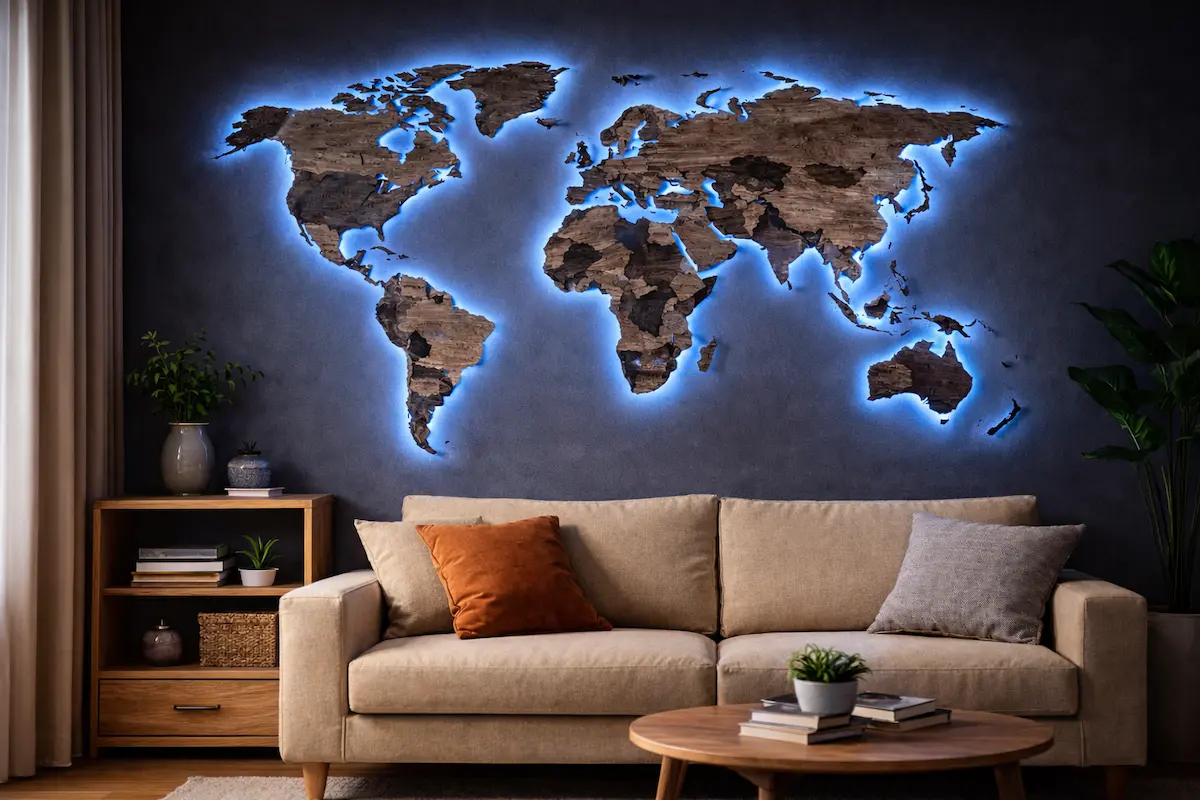
LED wall art works best in spaces where lighting plays a functional role, not just a decorative one. Unlike traditional wall art, LED pieces affect how a room feels once the main lights are dimmed or turned off, so placement matters more than people expect.
Living rooms are one of the most common fits, especially when LED wall art is used as ambient lighting rather than a focal spotlight. Positioned on a feature wall or above a sofa, it can soften the room in the evening without competing with ceiling lights or lamps.
Hallways and stairwells are another area where LED wall art makes sense. These spaces often lack natural light and feel transitional rather than intentional. Subtle LED pieces can add depth and interest without making the area feel overdesigned or cluttered.
Home offices benefit when LED wall art is kept behind or to the side of the main work area. Used this way, it adds atmosphere without causing glare or distraction. Cooler tones tend to suit workspaces better, while warmer lighting feels more relaxed in living areas.
Bedrooms are a more personal choice. LED wall art can work well as a soft backdrop or accent, but it needs to be understated. Overly bright or high-contrast designs can feel intrusive in a space meant for rest.
The key with LED wall art is restraint. It works best when it complements the room’s lighting plan rather than trying to replace it. When chosen carefully and placed with intent, it adds atmosphere and depth that standard wall décor simply can’t provide.
What to Look for in Quality Wooden Wall Map Designs
Not all wooden wall maps are created equal, and the differences aren’t always obvious in photos. Quality comes down to a mix of materials, construction, and design choices that affect how the map looks once it’s actually on the wall.
Start with the wood itself. Well-made maps use stable materials that resist warping and feel solid rather than flimsy. Thin or overly lightweight pieces can look fine at first but may not hold their shape over time, especially in rooms with changing temperature or humidity.
Layering is another key factor. A quality wooden map uses depth intentionally, with clean edges and consistent spacing between layers. This is what creates the shadow and dimension that makes 3D designs stand out. Poor layering tends to look flat or uneven once mounted.
Pay attention to how details are handled. Clear borders, legible place names (if included), and balanced proportions all contribute to a map that feels considered rather than rushed. Overly busy designs can become visually noisy, especially on larger walls.
Finish matters more than people expect. Smooth surfaces, even staining, and clean cut lines help the map blend into a modern interior instead of looking like a novelty item. A good finish should enhance the natural character of the wood, not hide it.
Finally, think about how the map is meant to be installed. Quality designs account for mounting from the start, with layouts that make alignment easier and results cleaner. A piece that’s difficult to position or level can quickly lose its appeal, no matter how good it looked in the box.
Taking time to assess these elements helps you avoid common disappointments and makes it far more likely that the map you choose will still feel right years down the line.
Our Editorial Approach to Reviewing Wooden Wall Maps and LED Designs
Everything on this site is built around one simple idea: helping you make better decisions before you commit to something that’s hard to undo. Wall art isn’t like cushions or ornaments. Once it’s on the wall, it tends to stay there, so the research stage matters.
Our approach focuses on analysis rather than hype. Instead of repeating marketing claims, we look at design choices, materials, sizing, installation considerations, and how different styles tend to work in real homes. The goal is to give you context, not push you toward a quick purchase.
When we discuss specific products, the evaluation is based on publicly available information, manufacturer details, design principles, and comparisons with similar options. If something commonly causes frustration—such as sizing confusion, mounting challenges, or mismatched expectations—we highlight it clearly so you know what to watch for.
We also separate guidance from opinion. Where there are objective factors, such as scale or material quality, we explain them plainly. Where personal taste comes into play, we say so. That way, you can decide what actually matters for your space rather than following a one-size-fits-all recommendation.
Just as importantly, we avoid ranking products or assigning scores without clear criteria. This keeps the focus on understanding and fit, not artificial comparisons. Over time, this approach helps build confidence, especially if you’re new to wooden wall maps or LED wall art.
The aim is simple: fewer regrets, fewer surprises, and choices that still feel right long after the initial excitement has passed.
How This Site Helps You Choose Wooden Wall Maps and LED Wall Art
The purpose of this site is simple: to help you make decisions you’re comfortable with before anything goes on the wall. Instead of rushing you toward a product, the focus is on giving you the information you need to decide whether something actually fits your space, your style, and how you live.
We do that by breaking big decisions into smaller, manageable ones. Size, placement, materials, lighting, and long-term suitability are all covered in a way that’s easy to follow, even if this is your first time looking at wooden wall maps or LED wall art. You don’t need to be an interior designer to understand what works and what doesn’t.
The content is designed to work at your pace. You can start with general guides, move into comparisons, and later explore individual product analyses when you’re ready. Nothing assumes you’re buying today, and nothing relies on pressure or urgency to make its point.
As the site grows, you’ll see deeper guides and more focused reviews, all built on the same principles: clarity, honesty, and practical usefulness. If a choice is subjective, we say so. If there’s a common mistake people make, we explain how to avoid it.